

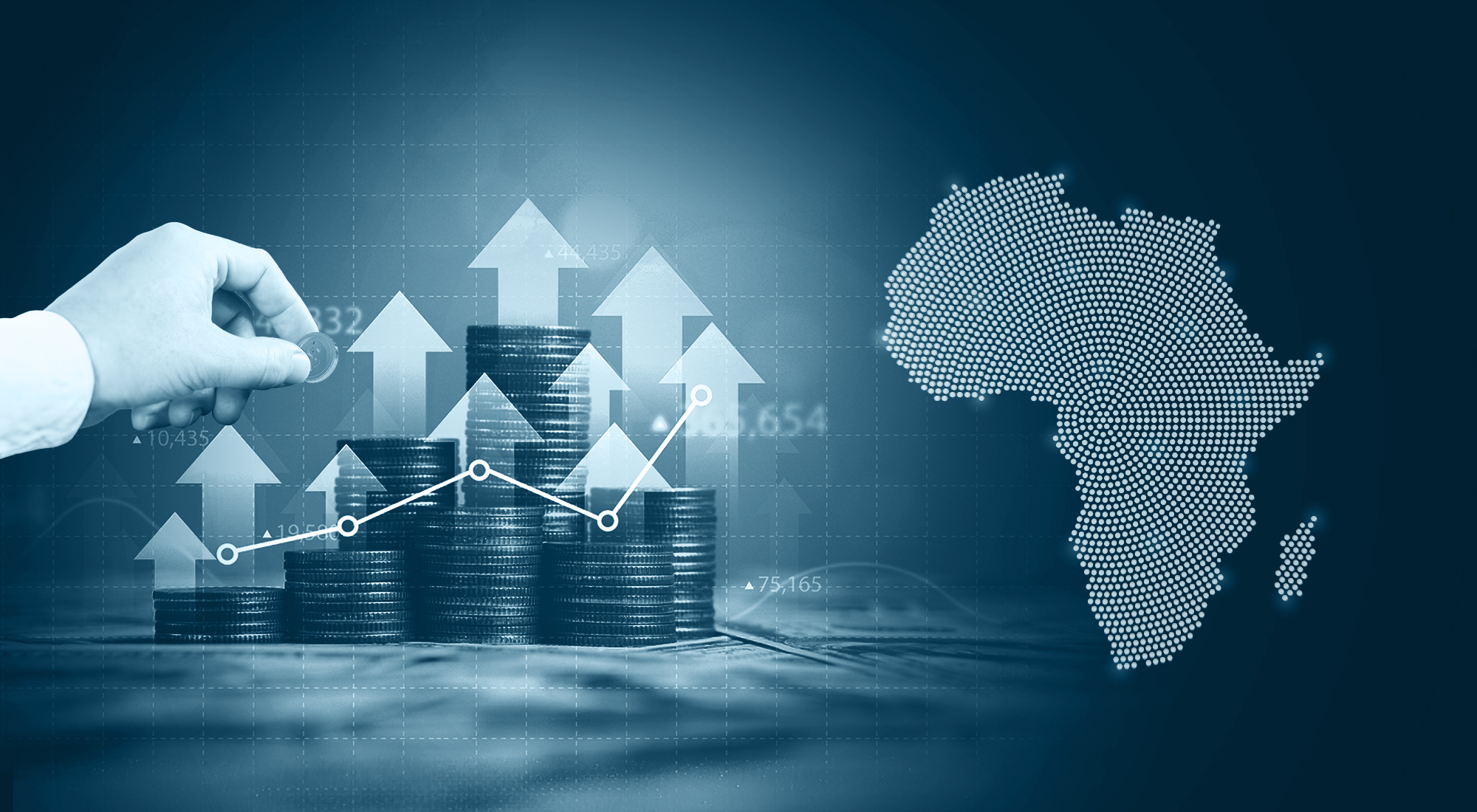
Africa stands at a decisive crossroads. The continent is rich in natural resources, energy potential, and demographic promise, yet capital remains increasingly selective and scarce. For African economies to compete effectively for global investment, governments must demonstrate that their markets are stable, predictable, and commercially compelling.
Few countries illustrate this better than Algeria.
Algeria’s Reform Story: A Blueprint for Investor Confidence
Investor sentiment toward Algeria’s energy sector has strengthened markedly in 2025. Already one of Africa’s leading oil and gas producers, the country has built new momentum through a series of high-profile partnerships and deliberate policy reforms.
In October, Algeria’s national oil company, Sonatrach, announced a USD 5.4 billion partnership with Saudi Arabia’s Midad Energy to explore and develop fields in the Illizi Basin. At the same time, the government entered advanced negotiations with ExxonMobil and Chevron on a landmark framework that would, for the first time, grant U.S. companies access to Algeria’s vast natural gas reserves. Earlier in the year, Sonatrach and China’s Sinopec signed an MoU to jointly assess opportunities in the Gourara and Berkine-Est basins.
These deals are not coincidences. They reflect years of structural reform: simplified business registration processes, improved contract transparency, the establishment of special economic zones, and a clearer commitment to international partnership. The result has been renewed interest from global energy majors, including Eni, Equinor, and TotalEnergies.
Algeria’s experience offers a powerful lesson for resource-rich African nations: investment follows clarity, consistency, and confidence.
Capital Is Tight — Competition Is Fierce
Africa’s oil and gas sector will require hundreds of billions of dollars in new investment over the next decade to maintain production, develop new discoveries, and modernize aging infrastructure. Yet raising that capital is becoming harder.
According to the African Energy Chamber’s State of African Energy: 2026 Outlook Report, Western financial institutions continue to retreat from fossil-fuel financing, while investors remain cautious about regulatory, political, and commercial risks in emerging markets. Governments that proactively address these concerns will be best positioned to unlock the benefits of their resources — energy security, job creation, and economic growth.
Countries such as Angola and Nigeria have already seen renewed upstream activity following targeted reforms. But success cannot remain limited to a handful of markets. Africa’s opportunity is continent-wide, and so must be the response.
Vast Resources, Limited Financing
Africa does not lack opportunity. As of 2025, the continent holds an estimated 125 billion barrels of proven oil reserves and roughly 625 trillion cubic feet of natural gas. These resources represent far more than export revenues — they are foundations for industrialization, infrastructure development, and shared prosperity.
Yet maintaining Africa’s hydrocarbon output — projected to remain around 11.4 million barrels of oil equivalent per day — requires continuous capital inflows. Oil fields decline, pipelines age, and new discoveries demand development. Without sustained investment, Africa risks leaving its wealth untapped.
Despite signs of renewed spending in countries like Namibia, Angola, and Mozambique, the financing gap remains stark. The AEC estimates Africa faces an annual energy finance shortfall of between USD 31.5 billion and USD 45 billion. Average external investment of roughly USD 35 billion per year between 2020 and 2030 is insufficient to meet growing domestic demand or strengthen export capacity.
Reform Is the Price of Investment
Oil and gas projects demand massive upfront capital and long investment horizons. Investors therefore prioritize jurisdictions with predictable regulations, stable fiscal regimes, and efficient approval processes. Unfortunately, many African markets still struggle with slow permitting, abrupt policy shifts, weak infrastructure, and governance challenges.
Lengthy and unpredictable regulatory timelines remain among the biggest deterrents. Projects stall when approvals take years, requirements are unclear, or policies change midstream. Governments must streamline approvals, establish firm timelines, and maintain open communication between regulators and investors.
One-stop regulatory agencies offer a proven solution. Equatorial Guinea now allows businesses to be established within a week, while Angola has launched a centralized local-content compliance center for oil and gas investors. These reforms reduce friction, lower risk, and significantly improve competitiveness.
Equally critical is governance. Transparent licensing rounds, predictable contracts, and anti-corruption safeguards de-risk projects and encourage long-term capital commitments. Nigeria and Ghana, for example, have emphasized clarity and transparency as cornerstones of their investment strategies — steps that are increasingly recognized by global investors.
The Renewable Energy Paradox
Even as global institutions urge a transition toward renewable energy, Africa faces a severe green-energy investment gap. Between 2020 and 2025, the continent invested USD 34 billion in clean power technologies, with solar and wind accounting for the majority. Yet Africa’s share of global clean-energy investment is projected to reach just 1.5% in 2025.
This shortfall stems from the same underlying issue: perceived risk. Political instability, regulatory uncertainty, inadequate infrastructure, and high financing costs continue to deter capital. Without addressing these barriers, renewable energy will remain underfunded, regardless of global climate ambitions.
The policy reforms that attract oil and gas investment — transparent rules, stable fiscal frameworks, and streamlined approvals — are equally essential for scaling solar, wind, hydrogen, and battery storage.
Nuclear Energy and Africa’s Long-Term Security
One of Africa’s most promising — and capital-intensive — clean energy options is nuclear power. The continent plans to invest approximately USD 105 billion to develop 15,000 MW of nuclear capacity by 2035. Egypt’s 4,800 MW nuclear project alone is expected to cost nearly USD 29 billion.
Nuclear energy offers a critical advantage: stable baseload power. As renewable generation expands, reliable baseload supply becomes essential to stabilize grids and support industrial growth. Emerging technologies such as small modular reactors (SMRs) further improve feasibility by reducing capital requirements and project scale. A 10–20 MW microreactor may cost between USD 50 million and USD 300 million, while a 300 MW SMR could cost under USD 1 billion — significantly less than traditional nuclear plants.
However, unlocking nuclear investment requires the same foundation as all energy development: investor confidence.
Policy Determines Prosperity
Africa cannot afford to miss this moment. Whether in oil and gas, renewables, or nuclear power, investment will flow to markets that offer clarity, stability, and commercial logic. Stronger investment policies are not optional — they are essential.
The resources are here. The demand is here. The capital exists. The remaining question is whether African governments will create environments that allow long-term investment to thrive.
The future of Africa’s energy security — and economic growth — depends on it.