


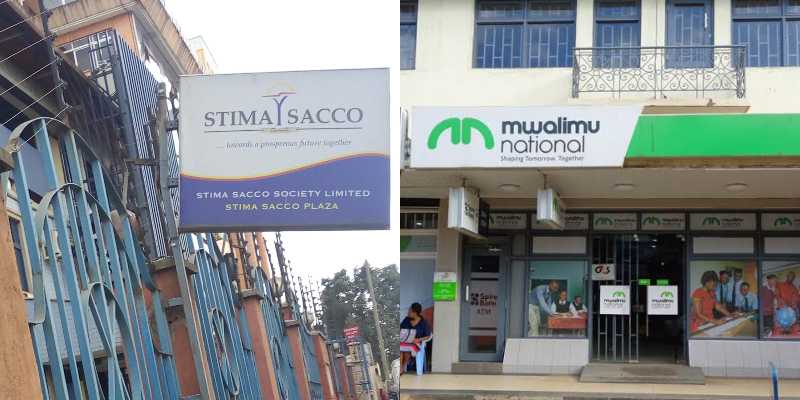
In today’s uncertain economy, knowing that your hard-earned money is safe isn’t just a comfort — it’s a necessity. This week, Kenya’s financial regulator sounded the alarm over 35 SACCOs that risk sanctions for failing to comply with new anti-money laundering (AML) regulations — a move that highlights why financial vigilance is more important than ever for individuals and businesses alike.
Why It Matters
SACCOs have long been the financial backbone of Kenya’s working and middle class, pooling member savings and providing affordable credit. Today, they collectively manage over KSh 1 trillion in assets and serve more than 7.4 million Kenyans. Yet even in this trusted system, regulatory gaps can put members’ finances at risk.
According to the Sacco Societies Regulatory Authority (SASRA), 35 SACCOs failed to register with the Financial Reporting Centre (FRC) — a key step in preventing money laundering and fraud. While 320 SACCOs successfully met the requirement, these noncompliant institutions now face possible sanctions, including suspension of licenses.
That might sound like technical bureaucracy, but here’s the truth: when financial institutions don’t follow anti-money laundering rules, your deposits become more vulnerable to misuse, investigations, or even loss through unmonitored transactions.
The Bigger Picture: Why Kenya Is Under Pressure
In 2023, Kenya was placed on the Financial Action Task Force (FATF) “grey list”, meaning the country’s financial systems were flagged for weaknesses in preventing illicit financial flows. This listing raised transaction costs, discouraged investors, and made international banking relationships more complicated.
To restore global confidence, the government has fast-tracked reforms — including tougher reporting obligations for SACCOs and banks. In June 2024, SASRA introduced new Guidelines on Combating Money Laundering, Terrorism Financing, and Countering Proliferation Financing, requiring SACCOs to identify suspicious transactions, strengthen due diligence, and report irregularities promptly.
What This Means for You as a SACCO Member
The goal of these reforms isn’t to punish — it’s to protect. Stronger financial oversight helps ensure that your savings don’t get caught up in illegal activities, which could expose both you and your SACCO to scrutiny or loss.
Here’s what you can do to protect your money:
- Stay Informed – Always confirm that your SACCO is registered and licensed under SASRA. You can check this information directly on SASRA’s website or through official publications.
- Ask Questions – If your SACCO doesn’t share regular audit reports or updates on compliance, that’s a red flag. Transparency is key.
- Be Cautious About Unusual Returns – High-interest offers can be tempting, but if they sound too good to be true, they often are.
- Encourage Compliance – Members have the power to hold management accountable. Ask if your SACCO has implemented the new AML and FRC registration requirements.
- Diversify Smartly – Don’t keep all your savings in one institution. Spread your risk through multiple, well-regulated financial channels.
How This Strengthens Kenya’s Financial Future
While these new rules may temporarily raise compliance costs for SACCOs, they ultimately strengthen the sector’s credibility. By enforcing transparency and accountability, Kenya is working to attract more investment, improve financial stability, and build public confidence — essential ingredients for long-term economic growth.
For businesses and individuals, the message is clear: financial security begins with compliance. A SACCO that follows the rules isn’t just protecting the system — it’s protecting you.
The Bottom Line
This crackdown is a reminder that financial safety isn’t just the regulator’s job — it’s everyone’s responsibility. Whether you’re a SACCO member, a small business owner, or an investor, understanding where your money goes and how it’s safeguarded is the first line of defense against risk.
By supporting transparency, demanding accountability, and making informed financial choices, we can ensure that Kenya’s SACCO sector remains not only a pillar of savings and credit — but a fortress of trust.